Cadisegliatin as Adjunctive Therapy in Type 1 Diabetes: A 26-Week Double-Blind, Randomized, Placebo-Controlled Phase 3 Study (CATT1)
Brief description of study
The purpose of this study is to learn about and compare the effects of cadisegliatin (also called “TTP399”) compared to placebo to find out which is better for reducing the episodes of low blood sugar (hypoglycemia) related to type 1 diabetes, lowering HbA1c, and to see how safe cadisegliatin is for people with T1DM.
Detailed description of study
The study’s primary goal is to assess whether treatment with cadisegliatin can lower the frequency of low blood-sugar (hypoglycemia). To this end, the study will rely on data collected through continuous glucose monitors (CGM) and traditional blood glucose monitors.
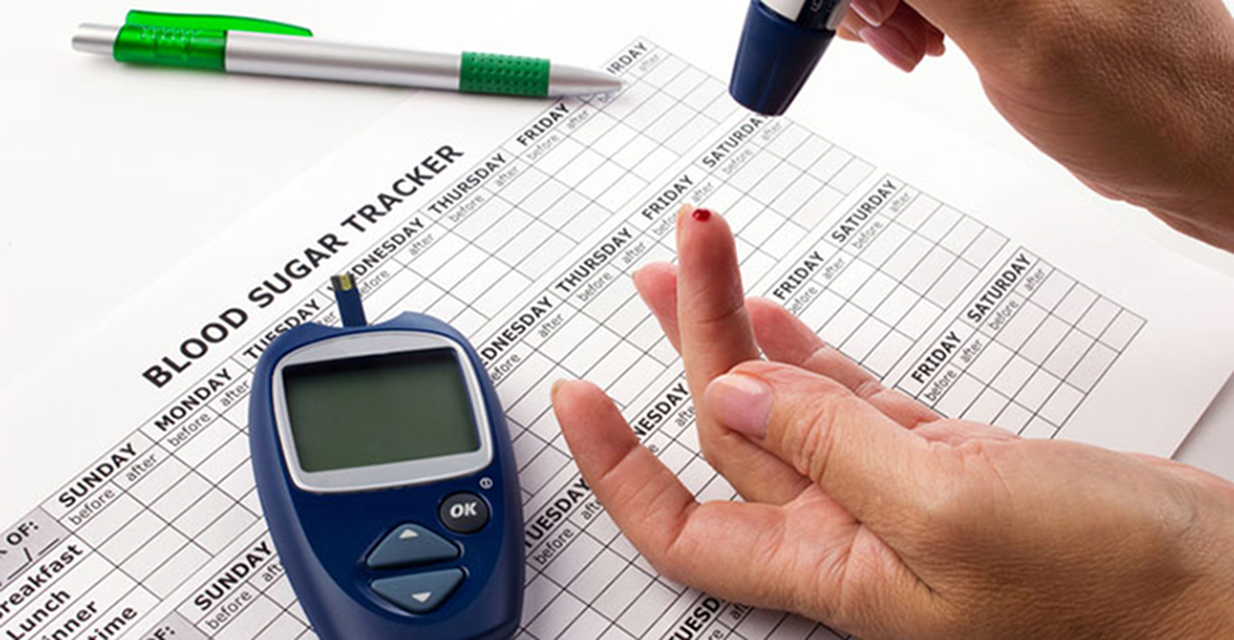
All study participants will receive a study-provided glucose meter and a study-provided ketone meter (to test for ketones) with all necessary supplies to measure glucose and ketone levels periodically or when you think that you may be experiencing low blood sugar (hypoglycemia), high blood sugar (hyperglycemia), diabetic ketosis, or diabetic keto acidosis (DKA). The study staff will help you learn when and how to check and record these levels.
The study will also assess the impact of cadisegliatin (compared to placebo) on a number of other aspects of health, for example: time spent within or outside the glucose target range, number of DKA events, insulin dosages, blood lipid levels, levels of blood markers for kidney and heart function, and, based on questionnaires for quality of life, treatment satisfaction, hypoglycemia symptoms and impact of hypoglycemia on well-being. In addition, changes of routine blood chemistry and blood cell counts, body weight, and ECGs will be evaluated.
Eligibility of study
You may be eligible for this study if you meet the following criteria:
- Conditions: Type 1 Diabetes
-
Age: 18 years or above
-
Gender: All
CATT-1 Inclusion:
- Age ≥18 years.
- HbA1c <9.5% at Screening and T1DM for ≥5 years with undetectable C-peptide (<0.2 nmol/L).
- On CSII (manual mode for 1 month) or MDI for ≥6 months, willing to continue treatment.
- Used CGM for ≥3 months. Agrees to use study-provided CGM sensors and glucometer/ketone meter.
- Had a hypoglycemic event (Level 2 or 3) in the past 2 months.
- No blood/plasma donation during study and 30 days after last dose.
- Females: Negative pregnancy test and use of effective contraception or abstinence; Non-childbearing females: Postmenopausal or surgically sterile. Males: Use contraception or abstinence, no sperm donation during study and 30 days after last dose.
- Capable of providing informed consent; can manage T1DM independently or has an emergency contact.
Exclusion:
- Has T2DM, rare forms of diabetes, a history of DKA in the past 3 months, or major medical conditions (e.g., severe heart disease, liver cirrhosis, gastrointestinal disorders).
- Significant weight fluctuation (>5%) or plans for weight loss surgery; history of eating disorders or major surgery/injury in the past 6 months.
- Recent use of certain medications (e.g., non-insulin anti-diabetics, antipsychotics, corticosteroids, or weight-loss drugs) or investigational products.
- eGFR <30 mL/min/1.73 m², liver dysfunction (ALT/AST ≥5x ULN), or abnormal bilirubin; QTcF >450 msec (males) or >470 msec (females).
- Uncontrolled hypertension (BP ≥160/100 mmHg), active malignancy (except specific skin cancers), or significant eye disease (e.g., proliferative retinopathy).
- Pregnant, breastfeeding, planning pregnancy, or a positive pregnancy test; active infections (e.g., HIV, hepatitis B/C).
- Unwilling to follow study procedures or living with another active participant, or a family member of site staff.
Find a site
,
Send a message
Enter your contact details to connect with study team
Please choose between Voice or SMS based delivery of verification code

or