Found 53 Vision Loss trials
A listing of Vision Loss medical research trials actively recruiting patient volunteers. Search for closest city to find more detailed information on a research study in your area.
Sort by:
Featured study

This study investigates the effectiveness of an investigational medication for individuals who are primarily reward drinkers, meaning they drink for the positive effects of alcohol. The purpose is to determine if these individuals are more likely to reduce heavy drinking when receiving the investigational medication compared to a placebo. The …
Click this link to see if you may be eligible sleeplessinphilly.comThis is a 5-year, large-scale, double-blind, SMART design that compare the benefits & safety of 5 sleep medications (trazodone, zolpidem, doxepin, melatonin, diphenhydramine) to placebo. Up to 1,200 patients from Penn Medicine primary care practices will be randomized to sleep …
The main purpose of this study is to understand how patients with giant cell arteritis (GCA) respond to an investigational drug called abatacept (also called Orencia). Abatacept is being tested to determine if it is effective in treating GCA. An investigational drug is one that is not approved by the …
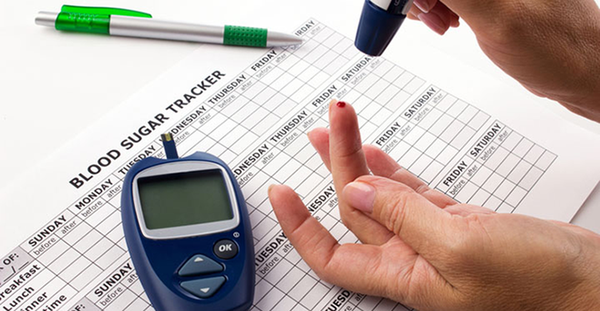
The purpose of this study is to learn about and compare the effects of cadisegliatin (also called “TTP399”) compared to placebo to find out which is better for reducing the episodes of low blood sugar (hypoglycemia) related to type 1 diabetes, lowering HbA1c, and to see how safe cadisegliatin is …
The purpose of this study is to investigate primary immune thrombocytopenia. This study evaluates how well the investigational medication works with corticosteroids in maintaining platelet count in adults.The study focuses on assessing the safety and effectiveness of the investigational medication in comparison to a placebo. It evaluates how the treatment …
The purpose of this trial is to evaluate the safety and efficacy of 18 weeks of HyBryte treatment in combination with visible light therapy in subjects 18 years and older with cutaneous T-cell lymphoma when compared to placebo. Procedures include vital signs, physical examination, review of medical history, blood tests, …
This is a phase III, double-blind, placebo-controlled study to evaluate the efficacy and safety or NI0752 in participants with Progressive Supranuclear Palsy (PSP). Participants will receive either 50mg of NI0752 or placebo every 12 weeks for 72 weeks via intrathecal injection during the double-blind period followed by an OLE period.
This study investigates the safety and effectiveness of an investigational atrioventricular interval modulation (AVIM) algorithm in patients with dual-chamber pacemakers.The study evaluates how well the investigational AVIM algorithm works when downloaded into a specific type of pacemaker. It looks at whether this algorithm can be safely used and how effective …
This is a randomized, double-blind, placebo-controlled study evaluating the safety and efficacy of a single dose of RE104 (30 mg) versus placebo for the treatment of GAD.

This is a Phase II, double-blind, sham controlled, randomized, crossover, multisite clinical trial investigating the effectiveness of transcranial direct current stimulation (tDCS) coupled with naming and spelling therapy (NASP) to improve language in people with primary progressive aphasia (PPA).
Please choose between Voice or SMS based delivery of verification code

or