Found 28 Liver Disorders trials
A listing of Liver Disorders medical research trials actively recruiting patient volunteers. Search for closest city to find more detailed information on a research study in your area.
Sort by:
This study is being conducted to evaluate the short and long-term outcomes of patients with severe alcohol-associated liver disease undergoing liver transplant evaluation. This study includes follow-up after liver transplant if that occurs. Participation in this study will last up to 3 years. An optional aspect of the study is …

The purpose of the study is to determine the changes in muscle metabolites by MRI before and after exercise. The MRI will be performed while performing mild exercise of the calf muscle for 1-3 minutes. We are actively recruiting adults between 45-55 and 70-84. Volunteers cannot have diabetes, liver disease, kidney …
In two patients with severe liver disease, we used a novel support system, extracorporeal liver cross-circulation (ELC), that temporarily connects the patients blood circulation to a donor liver outside the body. Both treatments lasted 1319 hours and were completed without serious complications. The procedures were stopped early due to clotting …
A Dose-Finding, Double-Blind, Placebo-Controlled Phase 2 Study to Evaluate the Efficacy and Safety of GSK4532990 for Steatohepatitis in Adults with Alcohol-related Liver Disease (ALD) for more information about the study please check out: https://starlightgsk.com/
The purpose of this study is to determine the safety and efficacy of two doses of CMV-MVA Triplex vaccine pre-transplant. The target population is CMV seronegative prospective liver transplant recipients. The main study interventions are pre-transplant vaccination (active vs. placebo), post-transplant CMV monitoring, and pre-emptive anti-viral therapy as needed per …

In T1D the body’s immune system destroys insulin producing cells called beta cells. This meansthe body cannot produce enough insulin to control the amount of sugar in the blood. Beta cellsare located in the pancreas and are part of clusters of cells called pancreatic islets.These cells produce hormones such as …
This study investigates fibrotic conditions. It uses Fibroblast Activating Protein (FAP) PET/CT imaging to look at fibrosis caused by different medical conditions.The study evaluates if this imaging method can show how fibrosis affects major organs and tissues. It focuses on understanding the distribution of FAP in the body.Who can participate: …
The main purpose of this study is to determine if certain genes, hormones, or other factors predict the risk of developing lung vessel disease in patients with liver disease and whether they determine outcome. Patients in need of a liver transplant evaluation or have portopulmonary hypertension or are suspected of …
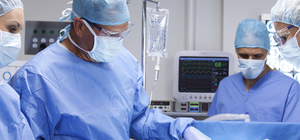
The purpose of this study is to evaluate the outcomes of liver transplant when the donor is placed on a normothermic perfusion machine prior to donation of the liver. The perfusion machine restores oxygenated blood flow to organs in the abdomen such as the liver. The use of the machine …
This study investigates methods for screening liver cancer in patients with cirrhosis or chronic hepatitis B. The purpose of this study is to compare two screening methods: one using ultrasound and a protein marker called AFP, and another using a biomarker called GALAD. Participants will be divided into two study …
Please choose between Voice or SMS based delivery of verification code

or