Found 5 Scar Tissue trials
A listing of Scar Tissue medical research trials actively recruiting patient volunteers. Search for closest city to find more detailed information on a research study in your area.
Sort by:
This study investigates the use of an investigational catheter and ablation system for individuals with scar-related monomorphic ventricular tachycardia.The purpose of this study is to evaluate the feasibility of using the Sphere-9 Catheter and Affera Ablation System for treating this condition. The study will focus on assessing the safety and …
The purpose of this study is to see if taking the study drug, Belumosudil, for 52 weeks in addition to your usual care and medication, will prevent Chronic Lung Allograft Dysfunction (CLAD) in participants who have a lung biopsy that shows evidence of rejection or inflammation to the transplanted lung(s). …
Featured study
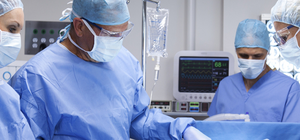
To determine the feasibility of near infrared (NIR) imaging of myocardial scar and epicardial adipose tissue in patients undergoing cardiac surgery.
This study investigates the use of interstitial photodynamic therapy (I-PDT) following palliative radiotherapy in patients with inoperable malignant central airway obstruction. The purpose of this study is to test the safety and effectiveness of combining these treatments to improve tumor response and survival in patients whose airways are blocked by …

The purpose of this study is to characterize gene mutations associated Central Centrifugal Cicatricial Alopecia (CCCA). The Penn Medicine BioBank (PMBB) supports researchers by providing centralized access to a large number of annotated blood and tissue samples. Clinician identified patients with CCCA and appropriate controls will be recruited from the …
Please choose between Voice or SMS based delivery of verification code

or